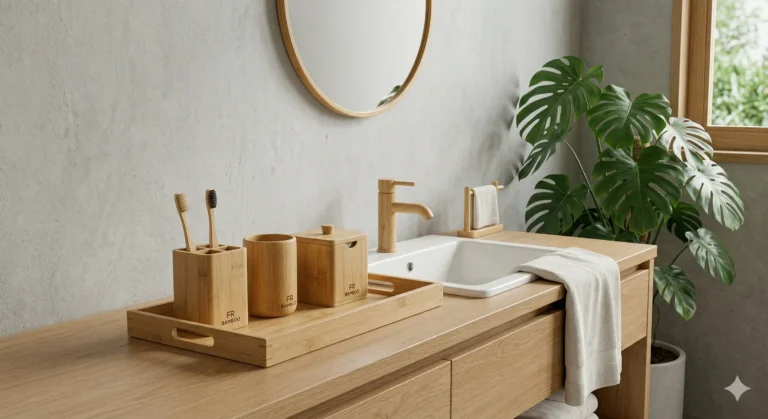

In modern interior design and furniture manufacturing, finding materials that balance aesthetics and sustainability is a major challenge. Bamboo boards are rapidly replacing traditional hardwoods due to their outstanding performance.
Whether you are a modern furniture designer or a B2B buyer looking for a reliable supply chain, understanding the potential of bamboo is crucial.
Today, we will explore the core advantages of this eco-friendly material and how it can elevate your product line.
What Are the Core Advantages of Bamboo Boards?
Bamboo is not only visually elegant but also excels in physical properties. Modern manufacturing processes have unlocked its endless possibilities.
Unbelievable Durability and Hardness
Many people mistakenly believe that bamboo is fragile. The truth is quite the opposite.
After high-temperature carbonization and high-pressure pressing, bamboo boards often surpass oak and maple in hardness.
This extreme density makes it highly resistant to warping for desktops and cabinets. If you are sourcing high-strength Solid Bamboo Materials, bamboo panels are the perfect choice.
True Sustainability and Eco-Friendliness
Traditional timber takes decades to mature, whereas Mao bamboo can be harvested in just 3 to 5 years. This rapid growth cycle prevents deforestation.
How to Choose the Right Bamboo Boards for Your Project
Different pressing techniques and colors create entirely different visual textures. Selecting the right grain is critical for furniture design.
Horizontal vs. Vertical Grain
- Horizontal Grain: Retains the distinct bamboo nodes, offering a very natural, organic look.
- Vertical Grain: Features fine, dense, and clean lines, perfect for minimalist and modern design styles.
Carbonized vs. Natural Color
- Carbonized: Steam-treated at high temperatures to create a warm caramel tone, offering better resistance to pests and moisture.
- Natural: Retains the original light yellow tone of the bamboo, bringing a bright and fresh feel to the room.
For high-end surface designs, many designers also incorporate Bamboo Veneer to create unique curved architectural shapes.
Finding a Professional Bamboo Panel Manufacturer
For volume buyers, the stability of raw materials dictates the quality of the final product.
When selecting a supplier, ensure they meet zero-emission standards (like TSCA and FDA) and support deep OEM/ODM customization.
Incorporating bamboo boards into your next product line is more than an alternative material choice; it is the ultimate solution for combining beauty with environmental responsibility. If you are ready to upgrade your supply chain, feel free to contact our expert team for a customized quote today.